
Freya Stanhope · on 15 August 2026 · 7 min read · Last reviewed 15 August 2026
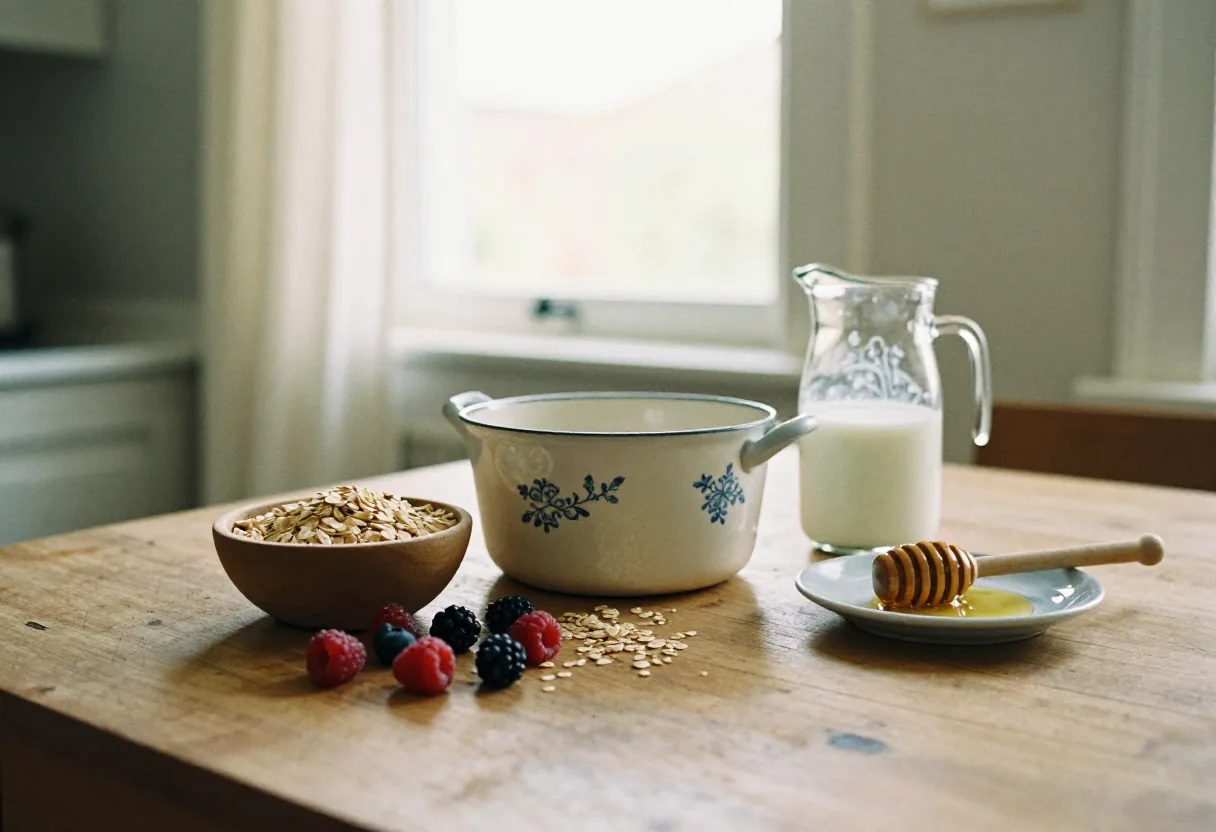
How do you make overnight oats is the focus here. Overnight oats are a simple, no-cook breakfast dish made by soaking rolled oats in liquid, typically milk or yogurt, and letting them sit in the refrigerator for at least six hours.
This process softens the oats, making them ready to eat straight from the fridge the next morning. Overnight oats originated from the Swiss health food pioneer Maximilian Bircher-Brenner’s recipe for Bircher muesli (1900) in his hospital for recovering tuberculosis patients, who needed nutritious food with a long shelf life.
- Rolled oats soften when soaked in liquid overnight, creating a creamy texture without cooking.
- The base recipe consists of just two ingredients: rolled oats and a liquid (typically milk or yogurt).
- Overnight oats can be stored in the refrigerator for up to four days, making them a convenient meal-prep option.
What are overnight oats?
Overnight oats are a type of no-cook porridge made by mixing rolled oats with a liquid (such as milk, yogurt, or plant-based alternatives) and allowing the mixture to sit in the refrigerator for at least six hours. The oats absorb the liquid, softening and becoming edible without heat. This method, popularised by Maximilian Bircher-Brenner, is now a staple in modern breakfast culture for its convenience and versatility.
How do you make overnight oats properly?
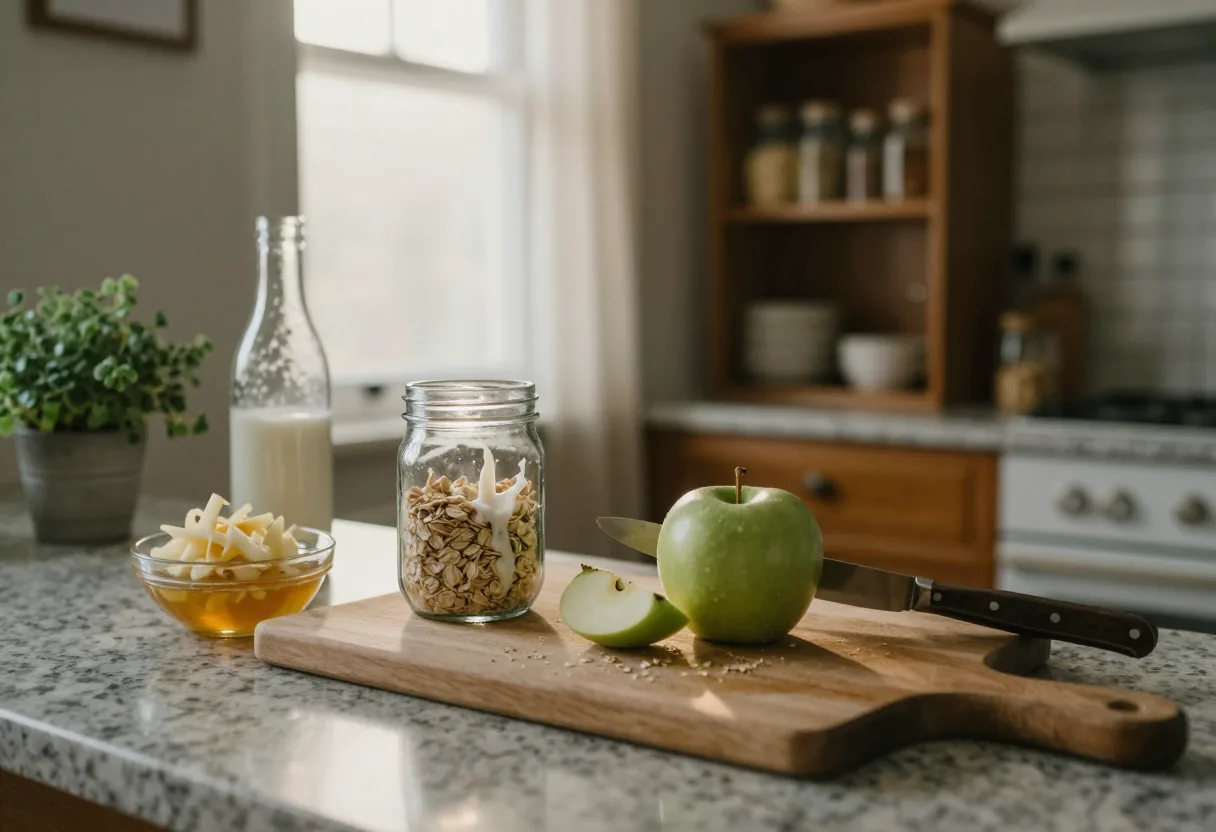
The key to making proper overnight oats is using the right ratio of oats to liquid, which is typically 1:1 by volume. For example, a standard serving might consist of ½ cup (40g) of rolled oats mixed with ½ cup (120ml) of milk or yogurt. To make overnight oats, you’ll need a few basic ingredients and a jar or container with a lid.
What you need
- ½ cup (40g) rolled oats
- ½ cup (120ml) milk, yogurt, or a plant-based alternative
- A pinch of salt (optional)
- A jar or airtight container
- Optional toppings (see Variations on overnight oats)
How to make overnight oats
- Measure ½ cup (40g) of rolled oats into your jar or container.
- Pour in ½ cup (120ml) of your chosen liquid (milk, yogurt, or plant-based alternative).
- Stir the mixture well, ensuring the oats are fully coated in the liquid. Add a pinch of salt if desired.
- Seal the container with a lid and refrigerate for at least six hours or overnight.
- Serve chilled, adding toppings such as fresh fruit, nuts, or honey before eating.
Why overnight oats are bad
While overnight oats are generally considered a healthy choice, there are a few potential drawbacks. Some people may experience digestive discomfort if they consume large amounts of oats, particularly if they have sensitivities to gluten or FODMAPs (fermentable oligosaccharides, disaccharides, monosaccharides, and polyols). Additionally, store-bought overnight oat mixes can be high in added sugars or artificial ingredients, so it’s best to make your own using whole, natural ingredients.
Common mistakes to avoid
One common mistake is using the wrong type of oats. Steel-cut oats or quick oats do not work as well as rolled oats for overnight oats, as they either take too long to soften or become too mushy. Another mistake is not using enough liquid, which can result in dry, crunchy oats. Lastly, adding certain ingredients (such as bananas) too early can cause the mixture to become overly thick or discoloured overnight.
Overnight oats with yogurt
Using yogurt as the liquid in overnight oats creates a thicker, creamier texture. Greek yogurt is particularly popular for this purpose due to its high protein content and tangy flavour. To make overnight oats with yogurt, follow the basic method but replace the milk with an equal amount of yogurt. You may need to adjust the liquid slightly if the mixture is too thick.
Overnight oats with milk
Milk is the most traditional liquid for making overnight oats, and it results in a lighter, more porous texture. You can use any type of milk, including dairy or plant-based alternatives such as almond, soy, or oat milk. The ratio of oats to milk remains the same as the basic recipe.
Mary Berry overnight oats
The celebrated British food writer and TV personality Mary Berry has shared her own version of overnight oats, which includes a mix of rolled oats, milk, and a touch of vanilla extract. Her recipe also incorporates chia seeds for added texture and nutrition. To make Mary Berry’s overnight oats, combine ½ cup (40g) of rolled oats, ½ cup (120ml) of milk, 1 teaspoon of vanilla extract, and 1 tablespoon of chia seeds in a jar, then refrigerate overnight.
Healthy overnight oats recipe for weight loss
A great addition to a weight-loss plan, overnight oats offer high fibre and protein content, promoting satiety. To make a healthy weight-loss-friendly version, use a low-sugar liquid such as unsweetened almond milk or Greek yogurt, and add toppings like berries, nuts, or seeds for extra nutrition without excess calories.
Can you use porridge oats for overnight oats?
Yes, you can use porridge oats (rolled oats) for overnight oats, as they are the same thing. Porridge oats are specifically designed for soaking or slow cooking, making them perfect for overnight oats. Avoid using steel-cut or instant oats, as they do not soften properly overnight.
Can you make overnight oats with water?
While you can technically make overnight oats with water, the result will be less flavourful and less creamy than using milk or yogurt. If you choose to use water, consider adding a small amount of a flavouring agent, such as vanilla extract or a pinch of cinnamon, to enhance the taste.
Nutritional benefits of overnight oats
A bowl of overnight oats contains a wealth of nutrients, including fiber, protein, and various vitamins and minerals. A typical serving of overnight oats made with milk or yogurt contains around 200-300 calories, 5-10 grams of protein, and 4-6 grams of fibre. The exact nutritional content will vary depending on the ingredients used, but the dish is generally considered a healthy and balanced breakfast option.
| Ingredient | Nutritional Benefits |
|---|---|
| Rolled oats | High in soluble fibre, which supports digestive health and helps lower cholesterol levels. Also a good source of plant-based protein and essential minerals like magnesium and iron. |
| Milk (or plant-based alternatives) | Provides calcium and vitamin D for bone health. Plant-based milks like almond or soy milk offer additional nutrients such as vitamin E or protein. |
| Yogurt | Contains probiotics for gut health and a significant amount of protein, which helps keep you feeling full and satisfied. |
| Chia seeds | Rich in omega-3 fatty acids, which support heart health, and high in fibre, which aids digestion. |
Variations on overnight oats
One of the best things about overnight oats is their versatility. You can customise the base recipe with a wide range of toppings and mix-ins to suit your taste preferences. Some popular variations include:
- Peanut butter banana: Add 1 tablespoon of peanut butter and slices of banana to the base mixture before refrigerating.
- Berry blast: Top with a mix of fresh or frozen berries, such as strawberries, blueberries, and raspberries.
- Chocolate cherry: Stir in 1 teaspoon of cocoa powder and top with pitted cherries or dried cherries.
- Apple cinnamon: Mix in diced apple and a sprinkle of cinnamon for a warm, spiced flavour.
Overall rating of overnight oats
Millions praise oats prepared the night before for their convenience, nutritional value, and versatility. Many people appreciate the time-saving aspect of preparing breakfast the night before, as well as the ability to customise the recipe to their liking. The dish is also well-regarded for its health benefits, making it a popular choice among those looking for a nutritious and satisfying breakfast option.
| Aspect | Rating (out of 5) |
|---|---|
| Convenience | 5 |
| Nutritional Value | 5 |
| Versatility | 5 |
| Taste | 4 |
| Ease of Preparation | 5 |
In my experience, overnight oats are a fantastic way to start the day, offering both convenience and nutrition. By experimenting with different ingredients and toppings, you can create a breakfast that suits your tastes and dietary needs.
Frequently asked questions
What is the difference between bircher muesli and muesli?
Muesli is a simple mix of grains, nuts, seeds, and dried fruit. Bircher muesli, invented by Swiss doctor Max Bircher-Benner, soaks these ingredients in liquid (often milk or yogurt) overnight. This makes it creamier and easier to digest, with a softer texture.
Is bircher muesli a healthy breakfast?
Yes, bircher muesli is generally healthy. It's high in fiber, vitamins, and minerals. Using whole grains, nuts, and fresh fruit adds protein and healthy fats. Opt for low-sugar toppings and natural sweeteners like honey or maple syrup to keep it nutritious.
How to make perfect bircher muesli?
Combine rolled oats, grated apple, nuts, seeds, and a pinch of cinnamon. Soak in milk or yogurt overnight. Top with fresh berries, a drizzle of honey, and a sprinkle of chia seeds. Adjust liquid ratios based on preferred texture, thicker for a pudding-like consistency or thinner for a drinkable version.
What is Jamie Oliver's best bircher muesli recipe?
Jamie Oliver's popular bircher muesli recipe includes rolled oats, grated apple, chopped almonds, pumpkin seeds, and a pinch of cinnamon. Soak in almond milk and Greek yogurt overnight. Top with fresh fruit, honey, and a sprinkle of sesame seeds. This version balances sweetness and crunch.
Can I make overnight oats without refrigeration?
Yes, you can make overnight oats without refrigeration, although the texture and safety may vary compared to refrigerated overnight oats. If you find yourself in a situation where you don’t have access to a refrigerator, such as during a camping trip or in a hot climate, you can still prepare overnight oats by following some specific guidelines.
Firstly, choose your ingredients wisely. Opt for rolled oats, as they are less likely to spoil quickly. Use shelf-stable milk alternatives like almond milk or coconut milk in cartons, or regular milk that has been commercially sterilized and does not require refrigeration until opened. Avoid using fresh fruits that can spoil quickly; instead, choose dried fruits or fruits that are canned in their own juice. Use a sealed, non-permeable container to store your overnight oats, which will help keep out contaminants and maintain freshness.
To minimize the risk of bacterial growth, it’s crucial to keep your overnight oats in a cool, shaded place. The ideal temperature for storing overnight oats without refrigeration is below 40°F (4°C). If the ambient temperature is high, consider placing your container in a cooler with ice packs. It’s also a good idea to consume your overnight oats within 24 hours to ensure optimal freshness and safety. If you notice any off smells, tastes, or changes in texture, discard the oats immediately, as these could be signs of spoilage.
Lastly, be aware that the texture of your overnight oats may differ from the refrigerated version. Without refrigeration, the oats may not soften as much, resulting in a chewier texture. To improve the texture, you can add a bit more liquid to your mixture before sealing the container. Consider adding ingredients like chia seeds or flaxseeds, which can help absorb excess liquid and create a creamier consistency. Despite these differences, making overnight oats without refrigeration can still be a convenient and delicious option when traditional methods aren’t available.
Related Reading
- Overnight Oatmeal with Chia Seeds: An Overview
- Overnight Oats in Water: A Practical Guide
- Is Bircher Muesli Healthy?: A Practical Guide