
Hamish Stanhope · on 15 August 2026 · 12 min read · Last reviewed 15 August 2026
Overnight oats in water are a simple, hydrating variation of the classic Bircher muesli, a Swiss breakfast dish made by soaking rolled oats and other ingredients in liquid overnight.
Bircher muesli is a breakfast staple that combines rolled oats, nuts, seeds, and fresh fruits, soaked in water or milk to soften the oats and allow the flavours to meld.
- Bircher muesli was invented in 1900 by Swiss doctor Maximilian Bircher-Brenner as part of a healthy diet for his patients.
- The base ingredients of traditional Bircher muesli are rolled oats, lemon juice, grated apple, nuts, and water or milk.
- Bircher muesli is often pronounced “BEAR-ker” or “BIR-ker” muesli in the UK.
- Overnight oats in water are a lighter, lower-calorie alternative to those made with milk.
What is the difference between Bircher muesli and muesli?
Bircher muesli and traditional muesli differ primarily in preparation and texture. Bircher muesli is soaked overnight in liquid, making it softer and creamier, while traditional muesli is typically eaten dry or with milk added just before consumption. Bircher muesli also often includes grated apple and lemon juice, which are not standard in traditional muesli.
Maximillian Bircher-Brenner’s original recipe, involves grating two apples. Maximilian Bircher-Brenner’s 1900 recipe, differs from traditional muesli. The soaking softens the oats and blends the flavors, resulting in a unique texture and taste. For instance, the grated apple in Bircher muesli releases its juices during soaking, providing natural sweetness and moisture.
Is Bircher muesli a healthy breakfast?
Yes, Bircher muesli is generally considered a healthy breakfast option, as it is high in fibre, vitamins, and minerals, and low in added sugars.
According to the British Nutrition Foundation, the rolled oats in Bircher muesli are a good source of complex carbohydrates, which provide sustained energy release. The nuts and seeds contribute healthy fats and additional vitamins and minerals. For instance, almonds are rich in vitamin E, while chia seeds are high in omega-3 fatty acids.
However, the healthiness of Bircher muesli can vary based on the ingredients used. Adding excessive amounts of honey, dried fruits, or sweetened yogurt can increase the sugar content. To keep it healthy, opt for whole fruits, unsweetened nuts, and seeds, and use natural sweeteners like grated apple sparingly.
How to make perfect Bircher muesli?
To make perfect Bircher muesli, combine 50g of rolled oats, 1 grated apple, 1 tablespoon of lemon juice, 150ml of water or plant-based milk, 2 tablespoons of mixed nuts or seeds, and a pinch of salt in a jar or container. Stir well, seal, and refrigerate overnight or for at least 6 hours.
In my experience, the key to perfect Bircher muesli is to adjust the liquid ratio to your liking. If you prefer a creamier texture, add more liquid, or if you like it thicker, reduce the amount. For example, you can start with 150ml of water or milk and adjust based on your preference after the first soaking.
The grated apple is essential for the original recipe’s texture and natural sweetness. If you prefer, you can add other fruits like berries or banana slices in the morning before serving. Toppings like yogurt, nut butter, or a drizzle of honey can also enhance the flavour and nutrients.
What is Jamie Oliver’s best bircher muesli recipe?
Jamie Oliver’s best Bircher muesli recipe includes 40g of rolled oats, 1 grated apple, 1 tablespoon of lemon juice, 200ml of milk (or water), 1 tablespoon of chia seeds, 1 tablespoon of mixed seeds, and a pinch of cinnamon. Mix all ingredients in a jar, seal, and refrigerate overnight.
Jamie Oliver’s recipe, featured on his website, is inspired by the original Bircher muesli but includes chia seeds for added texture and nutrition. The mixed seeds provide a crunchy contrast to the soft oats. The recipe serves one person and can be easily scaled up for larger batches.
For a variation, Jamie suggests adding grated pear or other seasonal fruits. You can also experiment with different nuts and seeds, such as almonds, walnuts, or sunflower seeds, to suit your taste preferences.
Bircher muesli origin
Maximilian Bircher-Benner created muesli in Switzerland in 1900. Maximilian Bircher-Brenner as part of a healthy diet for his patients at the Lindenhof Sanatorium.
Dr. Bircher-Brenner developed the recipe to provide a nutritious and easily digestible breakfast for his patients recovering from various ailments. The original recipe was simpler, consisting mainly of oats, lemon juice, and grated apple. Over time, the recipe evolved to include nuts, seeds, and other fruits, becoming the Bircher muesli we know today.
Bircher muesli benefits
Offering several health benefits, bircher muesli includes improved digestion, sustained energy release, and a boost in essential nutrients.
The high fibre content in Bircher muesli supports healthy digestion and can help regulate blood sugar levels. The combination of complex carbohydrates, healthy fats, and proteins provides sustained energy, making it an excellent breakfast option to start the day.
Muesli is also a good source of vitamins and minerals. For example, oats contain B vitamins and iron, while nuts and seeds provide vitamin E, magnesium, and zinc. Adding fruits like apples and berries increases the vitamin C and antioxidant content.
Bircher muesli pronunciation
The name “Bircher” muesli is commonly pronounced “BEAR-ker” or “BIR-ker” muesli in the UK.
The pronunciation can vary based on regional accents and personal preference. The name comes from its creator, Dr. Maximilian Bircher-Brenner, and the Swiss-German pronunciation would be closer to “BEAR-ker.” However, in English-speaking countries, both “BEAR-ker” and “BIR-ker” are widely accepted and understood.
Bircher muesli vs overnight oats
Muesli and overnight oats share similarities but differ in their preparation and traditional ingredients.
Both Bircher muesli and overnight oats involve soaking rolled oats in liquid overnight, resulting in a soft and creamy texture. However, Bircher muesli typically includes grated apple, lemon juice, and a mix of nuts and seeds, while overnight oats can be customised with various fruits, yogurt, and sweeteners. The soaking liquid in Bircher muesli is often water or plant-based milk, whereas overnight oats are commonly made with cow’s milk or dairy alternatives.
Bircher muesli recipe UK
A typical Bircher muesli recipe in the UK includes 50g of rolled oats, 1 grated apple, 1 tablespoon of lemon juice, 150ml of water or plant-based milk, 2 tablespoons of mixed nuts or seeds, and a pinch of salt.
This basic recipe can be adapted to include a variety of fruits, nuts, and seeds based on personal preferences and seasonal availability. For example, you can add berries, sliced bananas, or dried fruits for extra flavour and nutrition. Toppings like yogurt, nut butter, or a drizzle of honey can also enhance the taste and texture.
Ingredients
The key ingredients for Bircher muesli are rolled oats, grated apple, lemon juice, water or milk, and a mix of nuts and seeds.
Rolled oats form the base of Bircher muesli, providing a hearty texture and a good source of complex carbohydrates. Grated apple adds natural sweetness and moisture, while lemon juice enhances the flavour and helps preserve the mixture. Nuts and seeds contribute healthy fats, proteins, and additional vitamins and minerals. Common choices include almonds, walnuts, chia seeds, and sunflower seeds.
For a UK-friendly recipe, you can also include local fruits like strawberries, raspberries, or blackberries. Adding a pinch of cinnamon or a drizzle of local honey can enhance the flavour profile.
Nutrition
Bircher muesli is a nutritious breakfast option, providing a balance of complex carbohydrates, healthy fats, proteins, and essential vitamins and minerals.
However, a typical serving of Bircher muesli made with water, oats, grated apple, and a mix of nuts and seeds contains approximately 300-400 calories, 8-10g of protein, 5-7g of fat, and 50-60g of carbohydrates, with a high fibre content. The exact nutritional content can vary based on the ingredients used.
To boost the protein content, you can add a scoop of protein powder or Greek yogurt. For a lower-calorie option, reduce the amount of nuts and seeds or use a smaller portion of oats.
Method
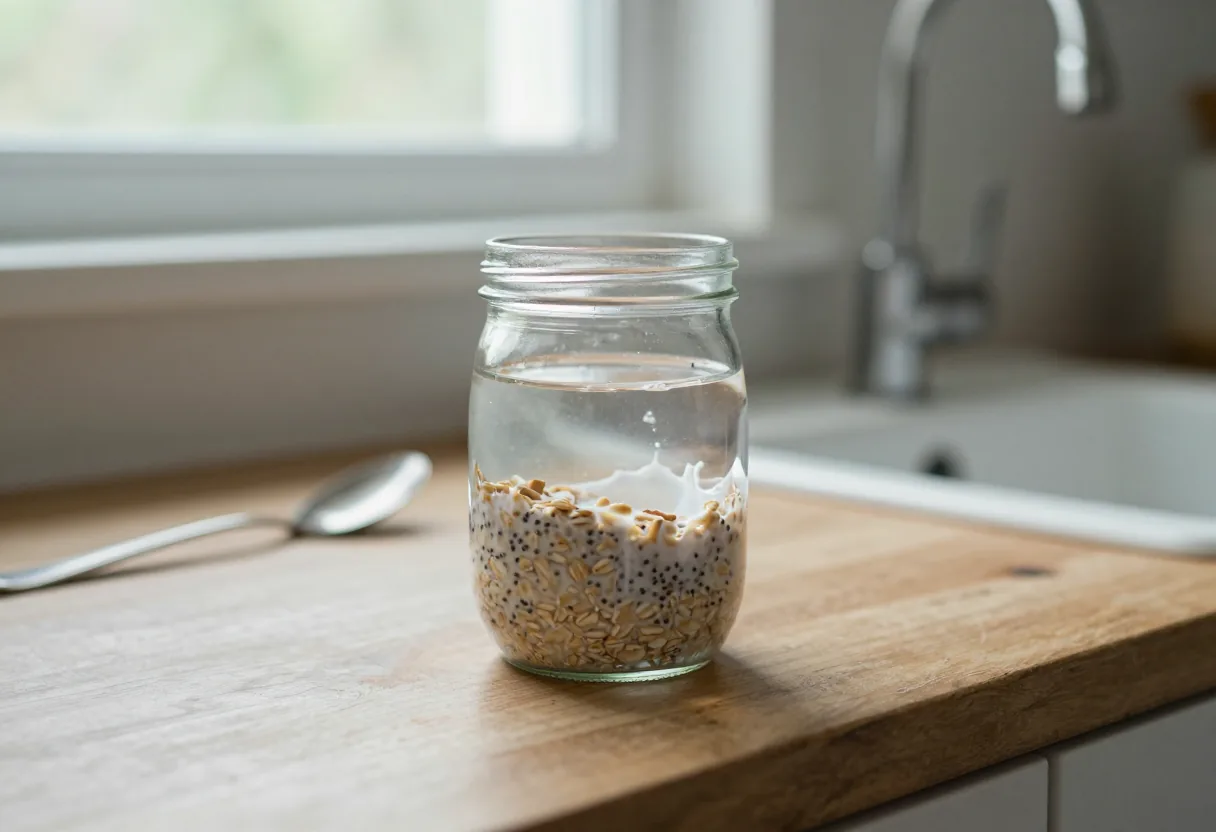
To make Bircher muesli, combine the rolled oats, grated apple, lemon juice, water or milk, and a mix of nuts and seeds in a jar or container. Stir well, seal, and refrigerate overnight or for at least 6 hours.
In the morning, you can add fresh fruits, yogurt, or other toppings to enhance the flavour and nutrients. The soaking process allows the oats to soften and absorb the liquid, resulting in a creamy and delicious texture. Stir well before serving to ensure an even distribution of ingredients.
For a quick variation, you can prepare the mixture in the evening and let it soak for a shorter period, such as 2-4 hours, for a slightly firmer texture.
Overall rating
Bircher muesli is highly rated for its convenience, nutritional benefits, and versatility, making it a popular breakfast choice in the UK.
According to reviews from food bloggers and health enthusiasts, Bircher muesli is praised for its ability to keep you full and energised throughout the morning. The versatility of the recipe allows for endless variations, catering to different taste preferences and dietary needs. The overnight preparation makes it a convenient option for busy mornings.
Clare McIntosh, a UK-based food writer, highlights the health benefits and ease of preparation in her blog post on the best breakfast recipes. For example, happyhannah on Instagram shares her daily Bircher muesli creations, featuring a variety of fruits and toppings. Anaholdenpeters23438 on Twitter praises Bircher muesli for its ability to keep her satisfied until lunchtime.
How to store Bircher muesli
To store Bircher muesli, keep the prepared mixture in an airtight container in the refrigerator for up to 3 days.
If you prefer to prepare larger batches, you can store the mixture in individual jars or containers for easy grab-and-go breakfasts. Avoid adding fresh fruits like berries or banana slices until the morning of consumption to prevent them from turning mushy. For longer storage, you can freeze the mixture for up to 1 month. Thaw it in the refrigerator overnight before serving.
Variations of Bircher muesli
There are several variations of Bircher muesli, including tropical, chocolate, and protein-packed versions.
A chocolate variation can be created by adding cocoa powder, chocolate chips, or a spoonful of Nutella. For a tropical twist, add diced mango, pineapple, and coconut flakes to the basic recipe. To boost the protein content, include a scoop of protein powder, Greek yogurt, or chia seeds. For a seasonal variation, incorporate pumpkin puree, cinnamon, and pecans for a fall-inspired flavour.
AudreyNorman, a UK-based food blogger, shares her favourite variations on her website, including a berry blast version with mixed berries and a hint of vanilla extract. Jamie Oliver’s website also features a variety of Bircher muesli recipes, catering to different taste preferences and dietary needs.
Tips for making the best Bircher muesli
To make the best Bircher muesli, use fresh ingredients, adjust the liquid ratio to your liking, and experiment with different toppings and flavour combinations.
Using fresh, high-quality ingredients ensures the best taste and nutritional value. Adjust the liquid ratio based on your preferred texture, adding more or less water or milk as needed. Experiment with different toppings and flavour combinations to keep your Bircher muesli exciting and enjoyable. Store the mixture properly to maintain its freshness and quality.
In my experience, preparing Bircher muesli the night before ensures a well-soaked and flavourful breakfast. Adding a variety of nuts, seeds, and fruits not only enhances the taste but also provides a range of nutrients. Don’t be afraid to try new combinations and adjust the recipe to suit your taste preferences.
Use the right oats
To make Bircher muesli, choose rolled oats or jumbo oats for the best texture and flavour. Avoid using instant oats or steel-cut oats, as they have different textures and may not work well in the soaking process.
Rolled oats are widely available in UK supermarkets and health food stores. They have a balanced texture, absorbing the liquid well and providing a creamy consistency. Jumbo oats, also known as old-fashioned oats, are slightly larger and have a chewier texture, which can add a pleasant contrast to the mixture.
For a gluten-free option, ensure that the oats are certified gluten-free, as cross-contamination can occur during processing.
Choose the right liquid
The choice of liquid in Bircher muesli can significantly impact the flavour and texture.
Water is a neutral option that allows the natural flavours of the oats, fruits, and nuts to shine. Plant-based milks like almond, soy, or oat milk can add creaminess and a hint of sweetness. Cow’s milk provides a rich and creamy texture, while also contributing to the protein content. Experiment with different liquids to find the one that suits your taste preferences best.
For a lower-calorie option, use water or a low-fat milk alternative. For a richer and creamier texture, opt for full-fat milk or a plant-based milk with a higher fat content.
Add natural sweeteners
To sweeten Bircher muesli naturally, use grated apple, a drizzle of honey, or a spoonful of maple syrup.
Grated apple adds natural sweetness and moisture to the mixture, while also providing fibre and vitamins. Honey and maple syrup are natural sweeteners that can enhance the flavour without adding refined sugars. Use them sparingly to avoid overpowering the natural flavours of the oats and fruits.
The natural sweetness of the fruits and the creamy texture of the oats can make the mixture enjoyable even without added sweeteners. For a sugar-free option, you can omit the sweeteners altogether or use a sugar-free sweetener like stevia or erythritol.
Experiment with toppings
Toppings can add a variety of flavours, textures, and nutrients to Bircher muesli.
Fresh fruits like berries, banana slices, or diced mango can add a burst of freshness and vitamins. Nuts and seeds provide healthy fats, proteins, and additional vitamins and minerals. Yogurt or nut butter can add creaminess and a boost of protein. A drizzle of honey or maple syrup can enhance the sweetness and flavour.
Experiment with different combinations of toppings to find the ones that suit your taste preferences best. For a UK-friendly twist, try adding local fruits like blackberries or raspberries. For a protein-packed option, include a scoop of protein powder or Greek yogurt.
Conclusion
Overnight oats in water, based on the classic Bircher muesli, provide an easy, hydrating, and nutritious breakfast choice. Recognizing the distinctions between Bircher muesli and traditional muesli, identifying the health benefits, and perfecting the preparation method allow you to make a tasty and fulfilling meal to begin your day.
Frequently asked questions
Why use water instead of milk for overnight oats?
Water keeps overnight oats lighter and lower in calories. It also lets the natural flavors of toppings shine. For texture, add a spoonful of yogurt or chia seeds. Some prefer water to avoid dairy or lactose, or to cut down on saturated fats.
How does the texture differ with water?
Oats absorb water more slowly than milk, so the texture can be less creamy. To fix this, soak the oats longer or use a small amount of thickener, like mashed banana or peanut butter. The result is still soft and edible, just less rich.
Can you add flavor to water-based overnight oats?
Absolutely. Use vanilla extract, cinnamon, or a pinch of salt to enhance flavor. Fresh or frozen fruit, nuts, and seeds add sweetness and crunch. A drizzle of honey or maple syrup works too, but skip sugar, it can make the texture gritty.
How long should water-based overnight oats soak?
At least 6 hours, ideally overnight. If you're short on time, microwave the oats with water for 2 minutes, then let them sit for 10 minutes. The longer they soak, the softer and more palatable they become.